
On-demand hydrogen cooking device generating fuel directly from water while eliminating storage and reducing greenhouse gas emissions.
India’s heavy dependence on imported LPG and natural gas creates economic burden and weakens long-term energy sovereignty.
Flame-based, low- or zero-carbon solution that preserves cultural familiarity while reducing greenhouse gas emissions.
Generates hydrogen directly from water through electrolysis, eliminating fuel storage and ensuring safe operation.
India’s heavy dependence on imported LPG and natural gas creates a significant economic burden and weakens long-term energy sovereignty. A substantial portion of cooking fuel is sourced from global markets, exposing the country to price volatility, foreign exchange pressure, and geopolitical risks. At the same time, the cooking sector contributes nearly 6% of India’s total greenhouse gas emissions. Achieving national climate commitments requires at least a 50% reduction in emissions from this sector.
However, cooking in India is culturally associated with visible flame-based systems. Electric cooking technologies, though efficient, often lack user acceptance due to the absence of flame and dependency on grid reliability. Therefore, the core challenge is to develop a flame-based, low- or zero-carbon solution that reduces import dependence while preserving cultural familiarity, ensuring safety, affordability, and scalability.
India’s heavy dependence on imported LPG and natural gas creates a significant economic burden and weakens long-term energy sovereignty.
Develop a flame-based, low- or zero-carbon solution that reduces import dependence while preserving cultural familiarity, ensuring safety, affordability, and scalability.
Hyven is a low-cost, low-tech, on-demand hydrogen cooking oven designed for deep decarbonization. It eliminates fuel storage and generates hydrogen directly from water through electrolysis.
Produces hydrogen and oxygen in stoichiometric ratio at room temperature and pressure. The membrane-free design reduces cost and maintenance. The electrolyzer has operated continuously for 6–7 years with ~66% electrical efficiency, demonstrating durability and reliability.
Engineered specifically for hydrogen combustion, ensuring flame stabilization, uniform heat distribution, and prevention of flashback.
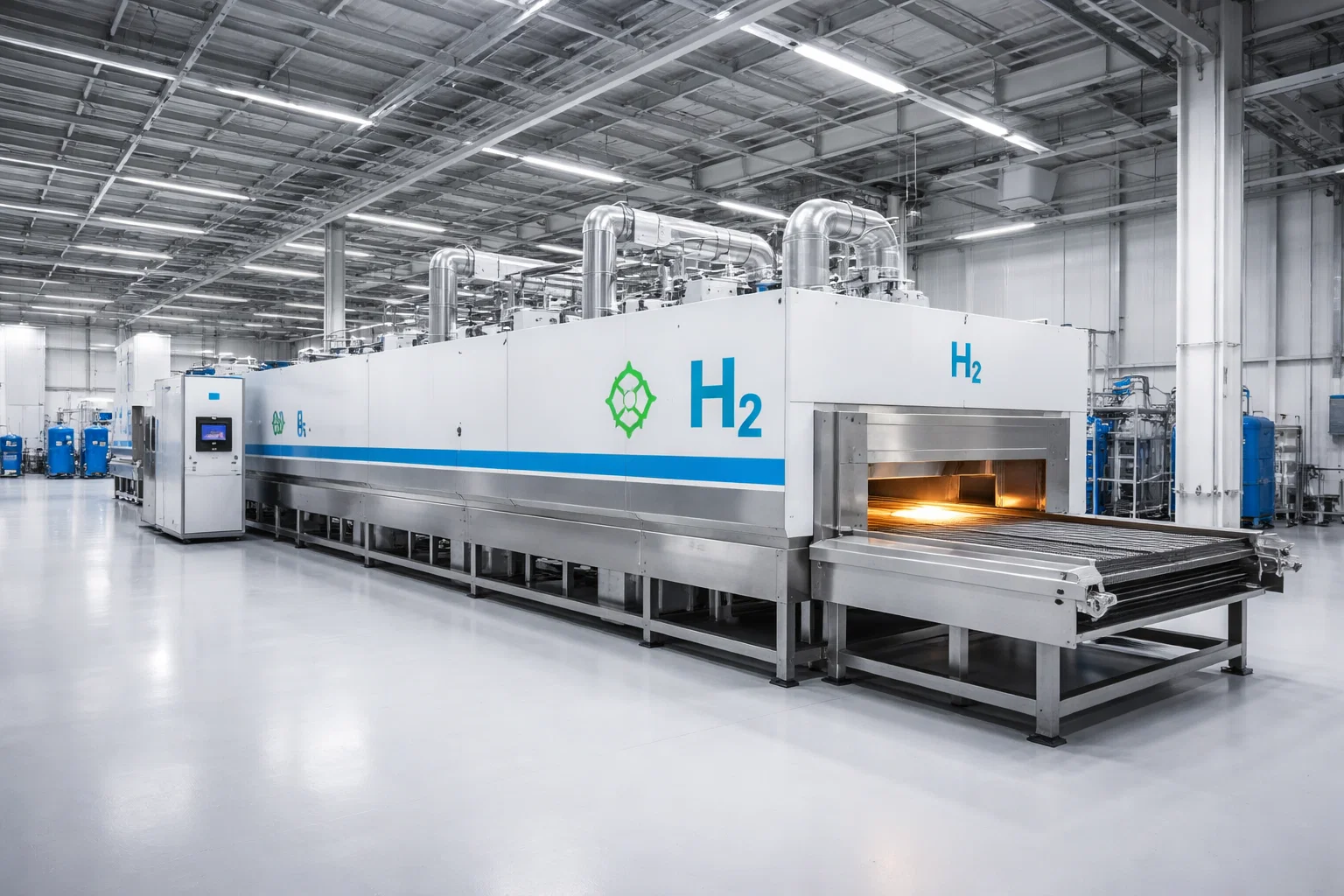
Tailor-made hydrogen heating solutions developed to match unique industrial processes, space constraints, output demands, and efficiency goals.
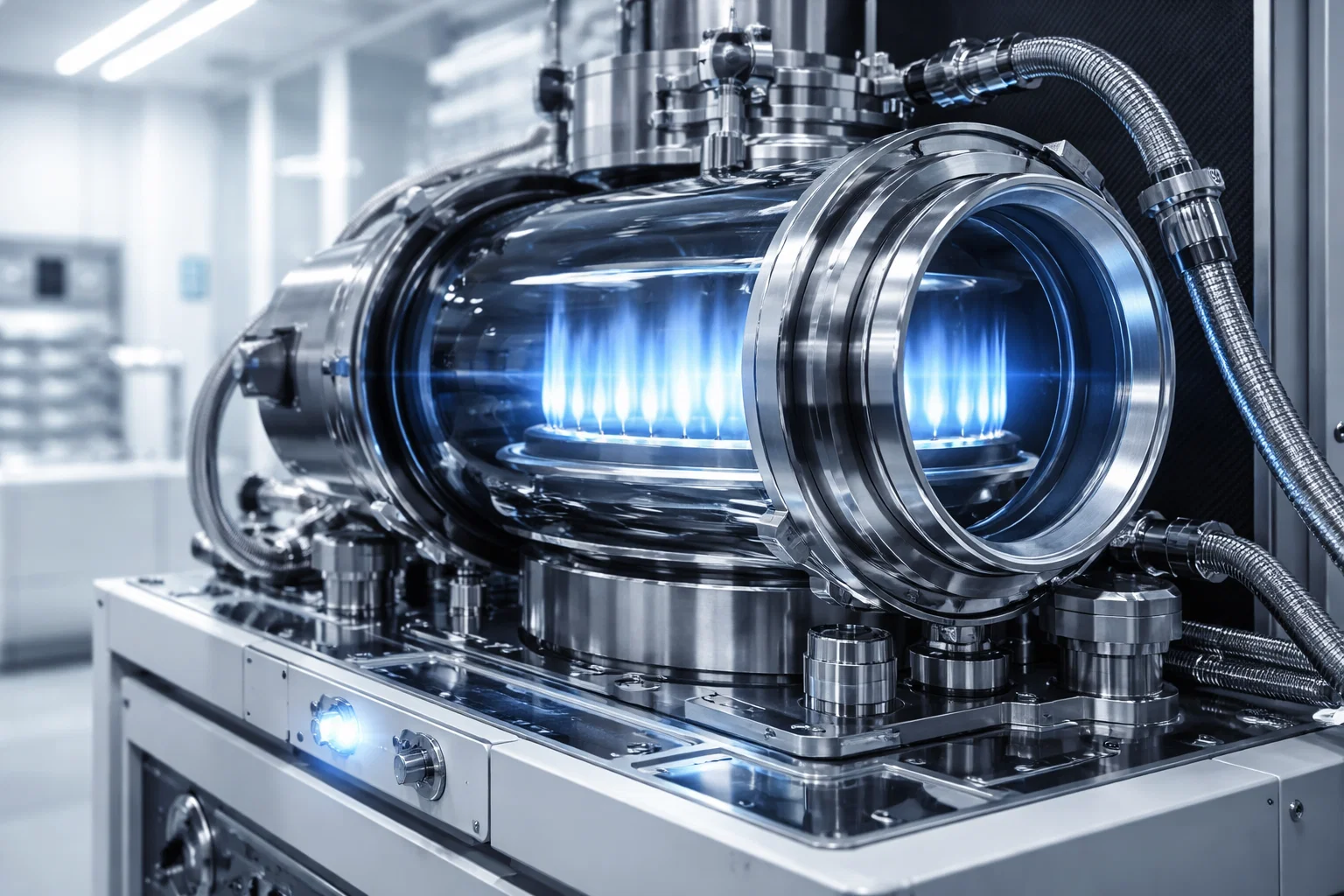
Ideal for commercial environments requiring clean energy heating, offering compact design, stable performance, and reduced operational energy costs.
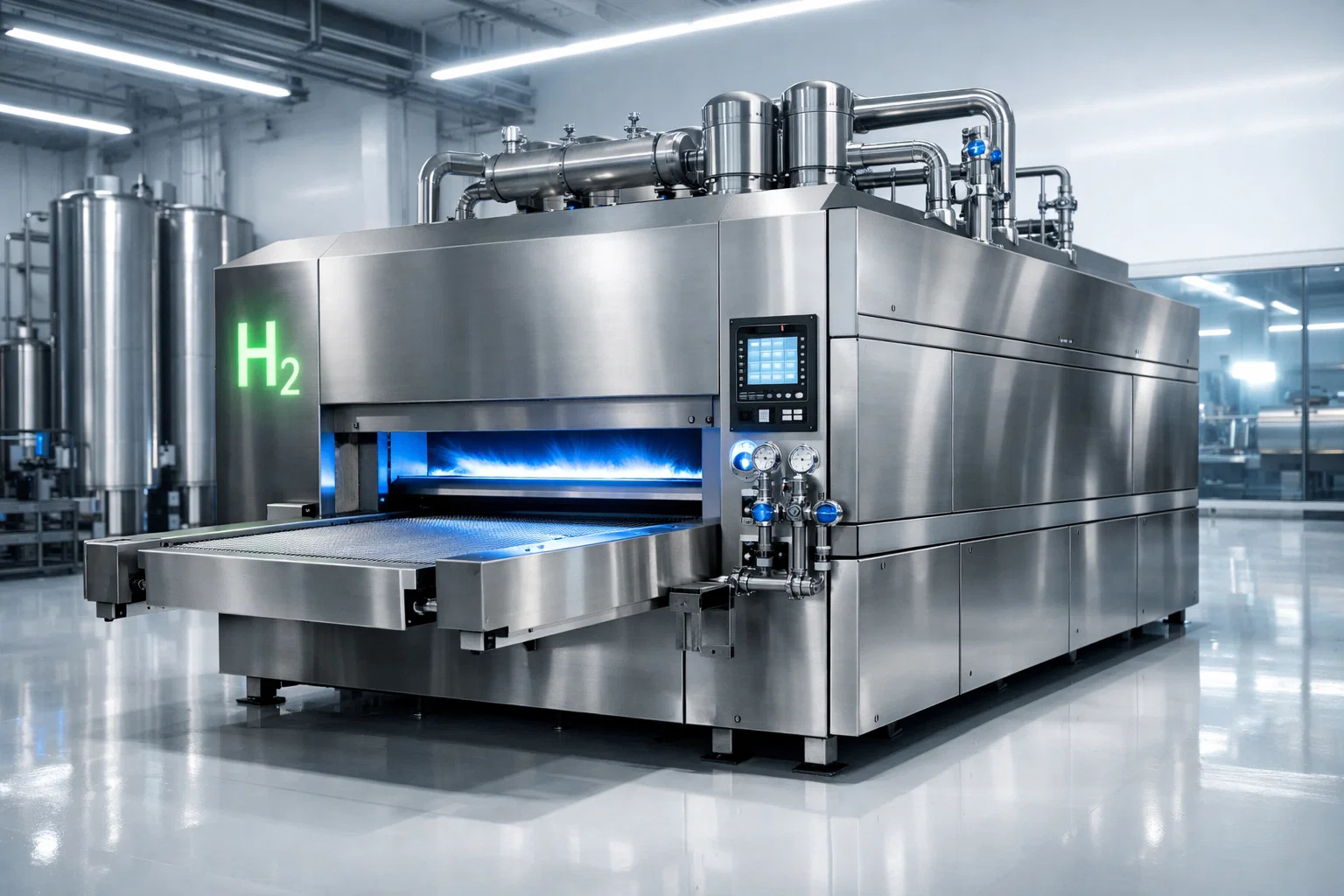
Designed for heavy-duty industrial applications, delivering consistent hydrogen-based heating with superior efficiency, safety controls, and long-term.
On-demand hydrogen generation system delivering safe, flame-based cooking with ultra-low emissions and no fuel storage requirements.
Generates hydrogen directly from water through electrolysis, eliminating hydrogen storage risks.
Membrane-free electrolyzer operates continuously for 6–7 years with ~66% electrical efficiency.
Porous burner ensures flame stabilization, uniform heat distribution, and flashback prevention.
Zero soot, ultra-low NOx (~0.2 ppm), and low CO emissions.
Switch to hydrogen-powered ovens designed to improve efficiency, safety, and sustainability across industrial operations.
Answers to common questions about our hydrogen-powered ovens, safety standards, customization, and industrial applications.
Hyven addresses India’s heavy dependence on imported LPG and natural gas, which creates economic burden and weakens long-term energy sovereignty. It also targets reduction of greenhouse gas emissions from the cooking sector while preserving culturally familiar flame-based cooking systems.
Hyven generates hydrogen directly from water through a membrane-free electrolyzer that produces hydrogen and oxygen in stoichiometric ratio at room temperature and pressure, eliminating the need for fuel storage.
No. Hyven eliminates hydrogen storage and generates hydrogen on demand. This reduces storage-related risks such as flashback and potential explosion.
Laboratory emission monitoring showed zero soot, ultra-low NOx (~0.2 ppm), and low CO (~6 ppm) emissions during continuous flame operation.
Yes. In pure H₂–O₂ mode the flame is nearly invisible but stable. For visible flame operation, trace acetone or bioethanol (<10–30%) can be introduced to produce a stable pale blue flame while maintaining negligible emissions.